
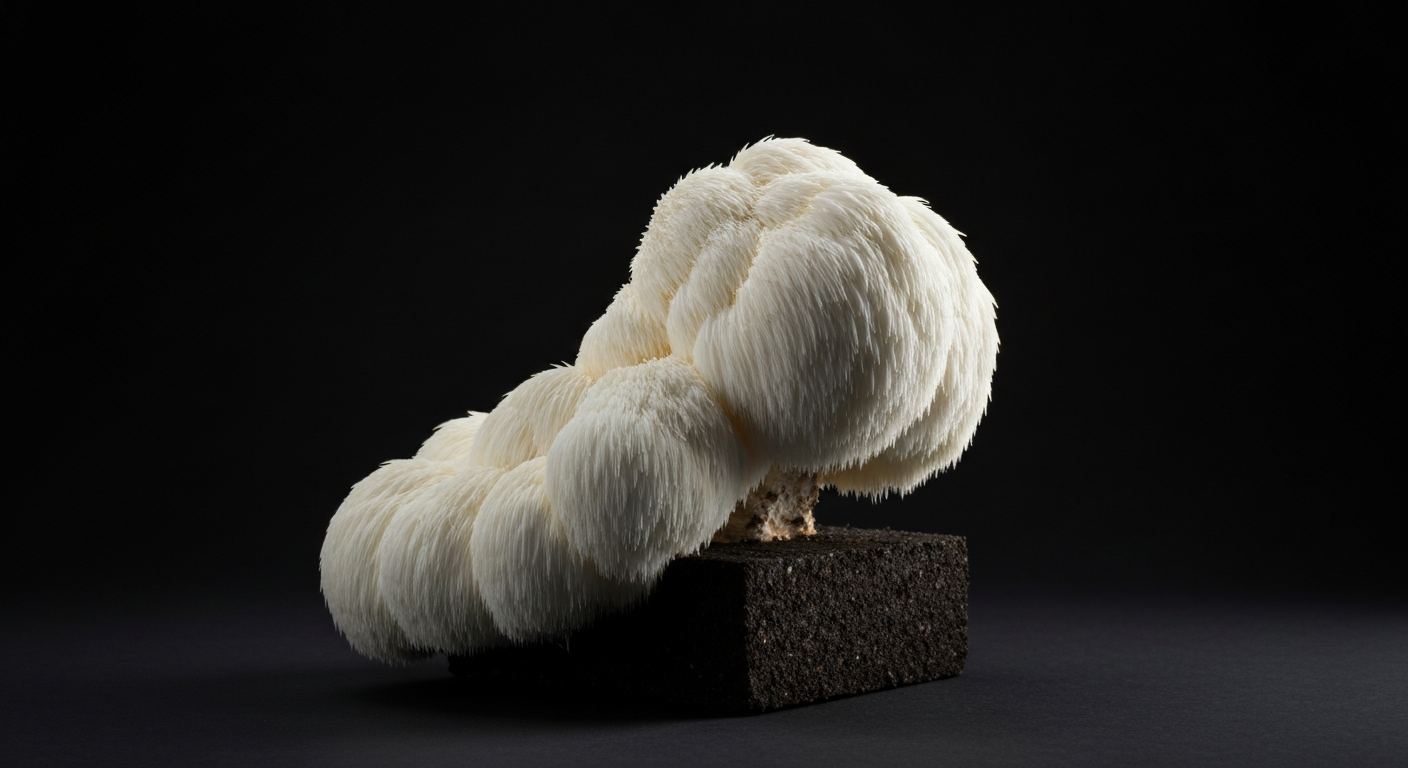
We want to be upfront: we have only tested one lion's mane kit so far. Most "best of" guides would pad this out with five kits they have never actually grown, but that is not how we work. We will update this page as we test more options. For now, here is our honest assessment of the one kit we have actually put through its paces.
The good news? It scored 9.1 out of 10. the highest score we have given anything. So at least the one we tested was brilliant.
| Feature | Lion's Mane Complete Kit |
|---|---|
| Score | 9.1/10 |
| Price | £34.99 |
| Species | Hericium erinaceus |
| Time to Harvest | 14–21 days |
| Expected Flushes | 2–3 |
| Difficulty | Intermediate |
Our Top Pick: Lion's Mane Complete Kit. 9.1/10
This kit genuinely impressed us. Lion's mane is a stunning mushroom. it grows in cascading, icicle-like spines that look almost alien. When we first saw pins forming on day ten, they looked like tiny white teeth poking through the substrate bag. By day eighteen we had a full, shaggy fruiting body the size of a fist.
The taste was extraordinary. Sliced and pan-fried in butter, lion's mane has a texture and flavour that people often compare to crab or lobster. We would not go quite that far, but it is genuinely unlike any other mushroom we have grown. Slightly sweet, with a delicate seafood quality that works beautifully in pasta dishes or simply on toast.
Our first flush produced around 180g, and the second gave us another 120g. The third flush was smaller. about 60g. but still perfectly edible. Total yield of around 360g for thirty-five quid is decent, especially when you consider that lion's mane retails for upwards of £30 per kilogram at specialist grocers.
Humidity: The Make-or-Break Factor
Here is the honest bit. Lion's mane is fussier than oyster mushrooms or shiitake. The number one reason people fail with lion's mane kits is insufficient humidity. This species needs consistently high humidity (85–95% relative humidity) to produce those beautiful cascading spines. In a dry house, you will get stubby, yellowed growth that looks nothing like the pictures on the box.
What worked for us:
- Mist three to four times daily. Twice is not enough for lion's mane. We set phone reminders.
- Create a humidity tent. We draped a large clear plastic bag loosely over the kit with a few holes punched in for air exchange. This made an enormous difference.
- Avoid direct airflow. Do not put the kit near a radiator, fan, or open window. Moving air dries the developing spines rapidly.
- Use a fine mist sprayer. Heavy droplets on developing lion's mane can cause browning. A fine mist is essential.
- Temperature sweet spot. Lion's mane fruits best between 16–21°C. It will tolerate slightly warmer or cooler, but this range gave us the best results.
What to Expect (Honestly)
Lion's mane is not a set-and-forget mushroom like pink oysters. You need to be attentive with misting, and the growing timeline is longer. expect two to three weeks before your first harvest versus seven to ten days for oysters. If you are a complete beginner, we would suggest starting with our beginner's guide picks first and coming back to lion's mane once you have one or two successful grows under your belt.
That said, if you are willing to put in the extra effort, the reward is a mushroom that you simply cannot buy in most supermarkets. Growing your own lion's mane is one of the most satisfying things you can do with a grow kit, and this particular kit makes it as straightforward as possible.
More Lion's Mane Kits Coming
We have three additional lion's mane kits on order and will update this guide as soon as we have grown and tested each one. If you want to be the first to know, check back regularly or see our lion's mane species page for everything we know about growing this remarkable mushroom.
In the meantime, if you are looking for other species to try, our oyster mushroom guide and indoor growing guide are both worth a look.